
Building a budget gym at home is one of the smartest ways to stay consistent with fitness while saving money on expensive gym memberships. A well-planned home gym allows you to perform strength training, cardio workouts, and functional fitness routines without leaving your house. However, many beginners make costly mistakes when trying to create a low-cost workout space.
A budget home gym should focus on efficiency, versatility, and durability rather than simply buying the cheapest equipment available. Poor planning can lead to wasted money, overcrowded workout areas, and equipment that fails to support effective training. Understanding common mistakes can help you design a home gym that delivers real results without overspending.
Fitness enthusiasts who follow equipment guides on gympickr.com often discover that building a successful home gym is less about spending money and more about making smart decisions. By avoiding common errors and choosing practical equipment, anyone can build an affordable fitness setup that supports long-term health goals.
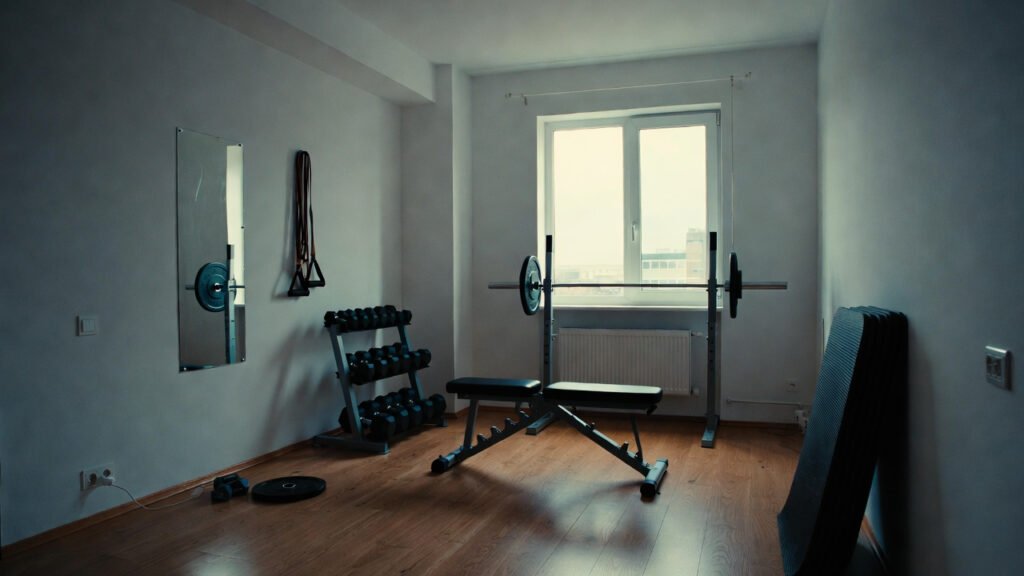
Why Budget Home Gyms Are Becoming Popular?
Home fitness has grown rapidly as more people seek flexible workout options. Budget gyms allow individuals to train at home without paying monthly fees or traveling to crowded fitness centers. This convenience is especially valuable for people with busy schedules.
Another reason budget gyms are popular is cost efficiency. A small investment in essential equipment can replace years of gym membership fees. Many home gym owners discover that even a simple setup with dumbbells, a bench, and resistance bands can support full body workouts.
Budget gyms also offer privacy and customization. Users can design their workout environment based on personal preferences, available space, and training style. Platforms like gympickr.com frequently highlight minimalist home gym setups that deliver powerful results without expensive machines.
Despite these benefits, building a budget gym requires careful planning. Avoiding common mistakes ensures your equipment investment supports long-term fitness progress.
Mistake 1: Buying Cheap Low Quality Equipment
One of the most common mistakes when building a budget gym is purchasing the cheapest equipment available. While saving money is important, extremely low quality equipment often lacks durability and safety.
Cheap dumbbells, unstable benches, and poorly constructed racks may break quickly or fail under heavier loads. This not only wastes money but also increases the risk of injury during workouts.
Instead of focusing solely on price, prioritize equipment with solid construction and reliable materials. A durable adjustable bench or set of dumbbells can last for years and support multiple exercises.
Quality equipment may cost slightly more upfront, but it provides better performance and long term value.
Mistake 2: Buying Too Much Equipment at Once
Another common mistake is purchasing too many pieces of equipment at the beginning. Many beginners try to replicate a commercial gym by buying machines for every muscle group.
This approach quickly fills the workout space and strains the budget. Most home gym users only need a few versatile tools to perform effective workouts.
Starting with essential equipment such as adjustable dumbbells, a weight bench, and resistance bands provides enough variety for full body training. Additional equipment can be added gradually as your training needs evolve.
Minimalist gym setups often deliver better results because they focus on functional movements and compound exercises.
Mistake 3: Ignoring Available Space
Space planning is crucial when building a home gym. Many people buy equipment without measuring their workout area first.
Large machines can overcrowd small rooms, making workouts uncomfortable and unsafe. Limited space also restricts movement during exercises such as squats, lunges, and bench presses.
Before purchasing equipment, measure your workout area carefully. Consider both floor space and ceiling height.
Compact and foldable equipment is ideal for small apartments or shared living spaces. Efficient space planning ensures your gym remains functional and organized.
Mistake 4: Not Prioritizing Compound Exercises
Many beginners focus on isolation machines instead of equipment that supports compound exercises.
Compound movements like squats, deadlifts, bench presses, and pull ups train multiple muscle groups simultaneously. These exercises are highly effective for building strength and muscle.
Equipment that supports compound exercises should be the foundation of any home gym. Adjustable benches, barbells, and power racks allow users to perform numerous compound movements.
Prioritizing compound exercises improves workout efficiency and reduces the need for excessive equipment.
Mistake 5: Skipping Proper Flooring
Flooring is often overlooked when building a budget gym, but it plays a critical role in safety and durability.
Hard floors such as tile or wood can be damaged by dropped weights and heavy equipment. They also amplify noise and vibration during workouts.
Rubber gym mats provide impact absorption and protect floors from damage. They also improve stability during exercises and reduce noise levels.
Investing in proper flooring creates a safer and more comfortable workout environment.
Mistake 6: Ignoring Equipment Versatility
Another mistake is choosing equipment that performs only one function.
Single purpose machines may seem appealing, but they limit exercise variety and take up valuable space.
Versatile equipment allows multiple workouts using the same tool. Adjustable dumbbells, resistance bands, and cable systems support dozens of exercises.
Selecting multifunctional equipment maximizes training options while keeping the gym compact and affordable.
Mistake 7: Forgetting Cardio Equipment
Some budget gym builders focus only on strength training equipment and neglect cardio workouts.
Cardiovascular exercise is essential for heart health, endurance, and fat loss. A balanced home gym should include options for both strength and cardio training.
Cardio equipment does not need to be expensive. Jump ropes, resistance bands, and bodyweight circuits provide effective cardio workouts.
If space allows, compact machines like foldable exercise bikes or rowing machines can enhance your training routine.
Mistake 8: Not Planning for Progression
Fitness progress requires gradually increasing workout intensity. Many beginners buy equipment that does not allow for progression.
For example, fixed weight dumbbells may become too light as strength improves.
Adjustable equipment is a better long term investment. Adjustable dumbbells, resistance bands with different tensions, and weight plate systems allow users to increase resistance over time.
Planning for progression ensures your home gym remains useful as your fitness level improves.
Mistake 9: Neglecting Organization and Storage
Cluttered gyms reduce motivation and increase safety risks. Equipment scattered across the floor can create tripping hazards and make workouts inefficient.
Storage solutions help maintain an organized workout environment. Wall mounted racks, dumbbell stands, and storage shelves keep equipment accessible and tidy.
A clean and organized gym space improves focus and encourages consistent training habits.
Mistake 10: Ignoring Workout Planning
Even the best equipment will not deliver results without a structured workout plan.
Many beginners build home gyms but fail to follow consistent training routines. Without clear goals, workouts become random and ineffective.
Developing a workout plan that includes strength training, cardio, and recovery ensures balanced fitness progress.
Tracking workouts and gradually increasing intensity helps maintain motivation and achieve long term results.
Pros and Cons of Building a Budget Home Gym
Pros
A budget home gym saves money over time by eliminating gym membership fees. Even a small investment in equipment can provide years of workouts.
Home gyms also offer convenience and flexibility. You can train anytime without commuting to a fitness center.
Privacy is another advantage. Many people feel more comfortable exercising in their own space.
Budget gyms also allow customization. You can choose equipment that fits your training style and available space.
Cons
Initial setup costs can still be challenging for some people, especially when purchasing multiple pieces of equipment.
Limited space may restrict equipment choices for apartment residents.
Without professional guidance, beginners may struggle to create effective workout routines.
However, with proper planning and smart equipment choices, most of these disadvantages can be minimized.
How to Build a Smart Budget Home Gym
Building a successful budget gym requires focusing on essential equipment and efficient space planning.
Start with versatile tools that support multiple exercises. Adjustable dumbbells, resistance bands, and a sturdy bench provide a solid foundation for strength training.
Add compact cardio equipment such as jump ropes or foldable exercise bikes to improve endurance.
Install rubber flooring to protect floors and reduce noise.
Gradually expand your equipment collection as your fitness goals evolve.
Fitness guides on gympickr.com often emphasize that a small, well planned gym can be more effective than a large room filled with unnecessary machines.
Latest Trends in Budget Home Gym Equipment
The home fitness industry continues to evolve as more people invest in personal workout spaces.
Manufacturers are developing compact and multifunctional equipment designed for small apartments and home offices.
Adjustable dumbbells, foldable benches, and modular gym systems are becoming increasingly popular because they maximize functionality while minimizing space.
Smart fitness equipment is also gaining attention. Digital workout programs and connected fitness machines allow users to track progress and follow guided training sessions.
These innovations make it easier than ever to build an affordable yet powerful home gym.
Final Thoughts
Building a budget gym can be one of the best investments for long term health and fitness. However, avoiding common mistakes is essential for creating an effective workout space.
Choosing durable equipment, prioritizing compound exercises, and planning your gym layout carefully can prevent wasted money and frustration.
A well designed home gym does not require expensive machines or large rooms. With thoughtful planning and versatile equipment, even a small workout area can support powerful training routines.
Fitness enthusiasts who follow smart equipment strategies on gympickr.com often discover that simplicity and functionality are the keys to building a successful home gym.
By learning from these ten common mistakes, you can create a budget friendly workout environment that supports consistent training and lasting fitness results.
Frequently Asked Questions
What equipment should I buy first for a budget home gym?
The best starting equipment includes adjustable dumbbells, a workout bench, resistance bands, and rubber gym flooring. These items support many exercises.
How much does it cost to build a budget home gym?
A basic home gym can cost between $200 and $1000 depending on the equipment chosen and available space.
Is a budget home gym effective for building muscle?
Yes, compound exercises using dumbbells, barbells, and resistance bands can build muscle effectively without expensive machines.
What is the biggest mistake when building a home gym?
Buying too much equipment at once is one of the most common mistakes. Starting with essential equipment is usually more effective.
Can a home gym replace a commercial gym?
For most people, a well designed home gym can support strength training, cardio workouts, and flexibility exercises effectively.