
Building a home gym is one of the best ways to stay consistent with workouts and improve overall fitness. However, one common problem many people face is the noise generated by home gym equipment. Whether you live in an apartment, shared house, or small home, loud workout equipment can disturb family members and neighbors. Understanding how to reduce noise from home gym equipment can help you maintain a peaceful environment while continuing your fitness routine.
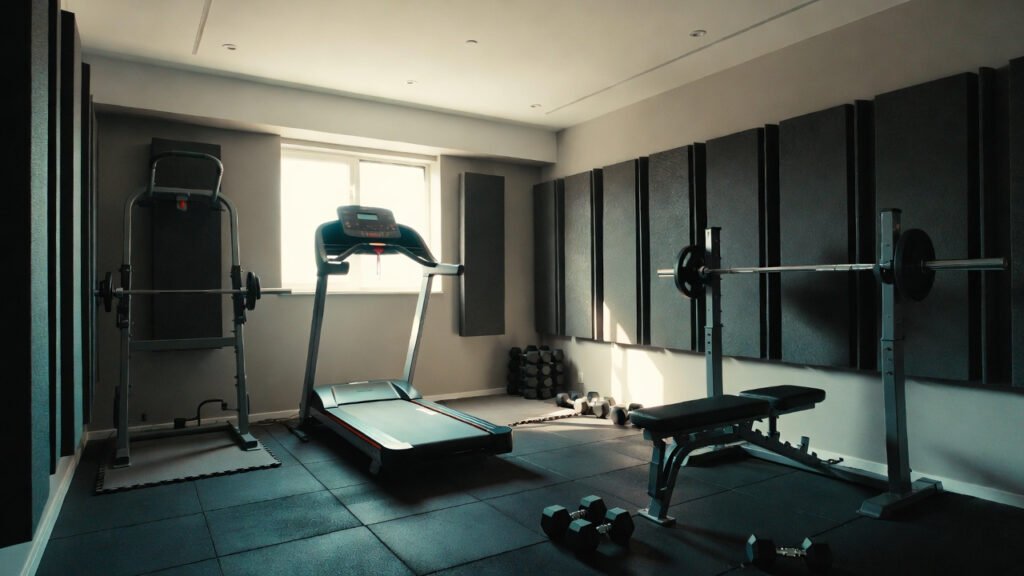
Home gym noise can come from several sources. Dropping weights, vibrating machines, moving benches, and treadmill impacts often produce unwanted sound. Even small movements like adjusting dumbbells or pulling cables can create vibrations that travel through floors and walls. These sounds may seem minor inside your workout space but can become significantly louder in nearby rooms.
Fortunately, modern home gym setups can be designed to minimize noise without sacrificing workout quality. With the right flooring, equipment placement, and soundproofing techniques, you can create a quiet home workout environment. Fitness enthusiasts visiting gympickr.com often search for ways to make their home gyms more apartment friendly while maintaining effective strength training routines.
Why Home Gym Equipment Creates Noise?
Understanding the source of noise is the first step toward reducing it. Most gym equipment noise occurs because of vibration, impact, and mechanical movement.
Weightlifting equipment is one of the biggest contributors to home gym noise. Barbells, weight plates, and dumbbells create impact when placed on the ground or rack. The vibration travels through flooring and structural surfaces, amplifying sound in nearby rooms.
Cardio machines also generate noise during operation. Treadmills produce repeated foot impacts while running, and rowing machines generate rhythmic mechanical sounds. Elliptical machines can create squeaking noises if components are not properly maintained.
Another source of noise is unstable equipment. Loose bolts, moving benches, and poorly balanced racks may vibrate during workouts. These vibrations produce rattling sounds that increase overall noise levels.
Understanding these causes allows you to apply targeted solutions that significantly reduce home gym noise.
Best Flooring to Reduce Gym Equipment Noise
Flooring plays a critical role in minimizing noise and vibration from home gym equipment. Hard surfaces like tile, wood, or laminate floors amplify sound and transfer vibrations easily.
Rubber gym flooring is one of the most effective solutions for noise reduction. Thick rubber mats absorb shock and prevent vibrations from traveling through the floor structure. These mats are commonly used in commercial gyms because they protect floors while reducing sound levels.
Interlocking foam gym mats are another affordable option. While they are softer than rubber, they still provide impact absorption for lighter workouts such as yoga, resistance band training, and bodyweight exercises.
For heavy weightlifting setups, high density rubber mats or lifting platforms are recommended. These surfaces distribute weight evenly and reduce impact noise during exercises like deadlifts or squats.
Many home gym experts featured on gympickr.com recommend combining rubber mats with plywood platforms for maximum vibration control.
Using Anti-Vibration Pads for Gym Equipment
Anti-vibration pads are simple accessories that significantly reduce noise from workout machines. These pads are placed under equipment legs to absorb vibrations and prevent sound transfer.
Treadmills, rowing machines, and exercise bikes benefit greatly from vibration pads. When the machine operates, the pads absorb movement and reduce the vibration reaching the floor.
Weight racks and benches can also be placed on vibration pads to reduce rattling sounds during workouts. These small additions can dramatically improve noise control in apartment gyms.
Another advantage of anti-vibration pads is floor protection. They prevent scratches and reduce pressure damage from heavy equipment.
Strategic Placement of Home Gym Equipment
The placement of gym equipment inside your home affects how sound travels through walls and floors. Placing equipment directly against shared walls or near bedrooms often increases noise disturbances.
Instead, position heavy equipment in areas with minimal structural sound transmission. Basements, garages, or rooms with concrete flooring are ideal workout spaces.
If you live in an apartment, consider placing equipment in corners away from shared walls. Adding thick rugs or rubber flooring under machines further reduces vibration.
Wall mounted storage racks can also reduce clutter and prevent equipment from moving around during workouts. This improves both safety and noise control.
Strategic layout planning helps create a quieter workout environment without needing expensive soundproofing systems.
Choosing Quiet Home Gym Equipment
Some gym equipment is naturally quieter than others. Selecting low-noise fitness machines is one of the most effective long-term solutions.
Magnetic resistance machines are generally quieter than mechanical resistance systems. Exercise bikes and rowing machines with magnetic resistance produce smooth movement without loud friction noise.
Adjustable dumbbells can also reduce noise compared to traditional weight plates. They eliminate the need for large plate stacks that may rattle during workouts.
Compact home gym machines with cable systems often operate quietly because they guide movement through pulleys rather than impact-based resistance.
Fitness equipment guides on gympickr.com often highlight quiet home gym solutions for apartment users.
Maintenance Tips to Prevent Equipment Noise
Poorly maintained gym equipment can become significantly louder over time. Regular maintenance helps keep machines running smoothly and quietly.
Lubricating moving parts is essential for machines like treadmills, rowing machines, and cable systems. Proper lubrication reduces friction and prevents squeaking noises.
Tightening bolts and screws also improves stability. Loose components often cause rattling sounds during workouts.
Cleaning equipment regularly helps remove dust and debris that may affect mechanical movement. Keeping machines in good condition not only reduces noise but also extends equipment lifespan.
Routine maintenance is one of the easiest ways to maintain a quiet home gym environment.
Soundproofing Your Home Gym Room
If noise remains a concern, additional soundproofing measures can further reduce sound transmission.
Acoustic foam panels placed on walls help absorb sound waves and reduce echo. These panels are commonly used in recording studios but also work well in home gyms.
Heavy curtains and thick carpets can also reduce noise reflections inside the room. Soft surfaces absorb sound energy and prevent it from spreading through the house.
Weather stripping around doors helps block sound leaks from the workout room. Small improvements like door seals can make a noticeable difference in noise reduction.
Soundproofing does not need to be expensive. Simple materials combined with proper equipment placement can significantly reduce noise levels.
Quiet Workout Techniques
Workout technique also influences how much noise your home gym produces. Controlled movements are essential for maintaining a quiet training environment.
Avoid dropping weights whenever possible. Lowering weights slowly reduces impact noise and protects equipment.
Using bumper plates for barbell exercises can reduce noise because they absorb impact better than metal plates.
Bodyweight exercises are another quiet alternative. Push-ups, planks, and resistance band workouts produce minimal sound while still delivering effective workouts.
Incorporating quiet workout techniques into your routine helps maintain harmony with neighbors and family members.
Pros and Cons of Noise Reduction Solutions
Pros
Noise reduction techniques allow people to maintain consistent workouts without disturbing others. This is especially important for apartment residents and shared living environments.
Rubber flooring and vibration pads also protect floors and extend the lifespan of gym equipment. These materials reduce wear and tear caused by heavy weights and machines.
Quiet workout environments improve focus and motivation. When the training space feels comfortable and controlled, it becomes easier to maintain regular fitness habits.
Cons
Some noise reduction solutions require additional investment. High quality rubber flooring and soundproofing materials can increase the initial cost of building a home gym.
Soundproofing methods may also require extra space. Thick mats and platforms take up floor area, which may be limited in small apartments.
Despite these drawbacks, most noise reduction strategies provide long-term benefits that outweigh the initial cost.
Apartment Friendly Home Gym Setup
Apartment residents often face strict noise restrictions, making quiet workout setups essential.
A compact workout area with rubber flooring, adjustable dumbbells, and resistance bands can support effective workouts while minimizing noise.
Using foldable benches and compact cardio machines helps reduce equipment size and vibration. Smaller equipment is easier to stabilize and control during workouts.
Scheduling workouts during daytime hours can also reduce disturbances for neighbors.
Many apartment gym enthusiasts featured on gympickr.com successfully build quiet home gyms using compact equipment and vibration control techniques.
Future Trends in Quiet Home Gym Equipment
The home fitness industry continues to evolve as more people invest in personal workout spaces.
Manufacturers are developing quieter machines with improved engineering and vibration control systems. Magnetic resistance technology and advanced cable systems are becoming more common in modern fitness equipment.
Smart home gym systems also focus on smooth motion and minimal noise. These machines combine digital training programs with compact mechanical designs.
As home fitness grows, equipment manufacturers will continue focusing on noise reduction to support apartment friendly workouts.
Final Thoughts
Reducing noise from home gym equipment is essential for maintaining a comfortable workout environment, especially in apartments or shared homes. Noise typically comes from impact, vibration, and mechanical movement, but these issues can be minimized with the right solutions.
Rubber flooring, anti-vibration pads, quiet equipment, and proper maintenance all play a role in creating a peaceful home gym setup. Strategic equipment placement and soundproofing techniques further improve noise control.
Fitness enthusiasts who follow these strategies can enjoy effective workouts without disturbing neighbors or family members. Many home gym guides on gympickr.com emphasize that a quiet gym environment encourages consistent training and long-term fitness success.
With thoughtful planning and modern equipment, anyone can build a quiet, efficient, and motivating home workout space.
Frequently Asked Questions
Why is my home gym equipment so loud?
Home gym equipment becomes loud due to vibration, impact, and loose components. Hard flooring and poor equipment placement can amplify sound levels.
How can I reduce treadmill noise in an apartment?
Using thick rubber mats and anti-vibration pads under the treadmill helps absorb impact and reduce vibration.
Are rubber gym mats effective for noise reduction?
Yes, rubber gym mats absorb shock and prevent vibrations from traveling through floors, making them one of the best noise reduction solutions.
What is the quietest home gym equipment?
Magnetic resistance machines, adjustable dumbbells, and cable based multi-gym systems are generally quieter than traditional metal weight setups.
Can soundproofing a room eliminate gym noise completely?
Soundproofing can significantly reduce noise but may not eliminate it completely. Combining flooring, equipment placement, and vibration control provides the best results.