
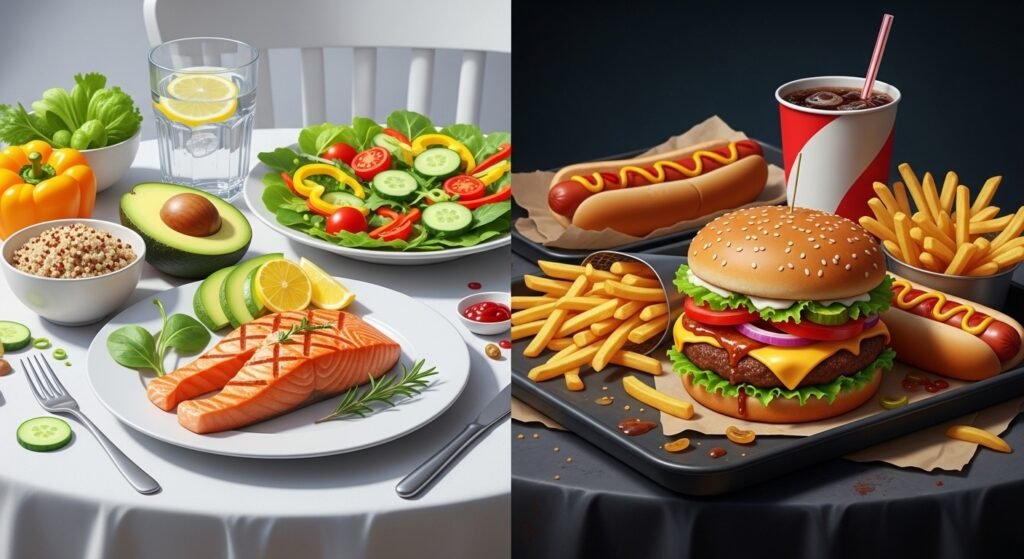
Starting your fitness journey is exciting, but without the right diet, your gym efforts may not deliver the results you expect. Many beginners focus only on workouts and ignore nutrition, which is actually the foundation of fitness success. A well-balanced diet fuels your body, supports muscle growth, and accelerates fat loss.
If you are new to the gym, you don’t need a complicated diet plan. Simple and consistent eating habits can help you achieve your fitness goals faster. In this guide by gympickr.com, you will learn practical and easy diet tips for gym beginners that are effective, affordable, and sustainable.
Why Diet is Important for Gym Beginners?
Diet plays a crucial role in transforming your body because it directly impacts energy levels, recovery, and performance. When you exercise, your body breaks down muscle fibers, and proper nutrition helps rebuild them stronger.
Without a proper diet, you may feel tired, lose motivation, and struggle to see results. A balanced diet ensures your body gets essential nutrients like protein, carbohydrates, and healthy fats, which are necessary for muscle gain and fat loss.
Beginners often make the mistake of either eating too little or consuming unhealthy foods, which slows progress. That’s why understanding basic nutrition is important before jumping into advanced fitness routines.
Understanding Basic Nutrition for Fitness
Macronutrients Explained
Macronutrients are the nutrients your body needs in large amounts. These include protein, carbohydrates, and fats. Each plays a specific role in your fitness journey.
Protein is essential for muscle repair and growth. Carbohydrates provide energy for workouts, while fats support hormone production and overall health. Balancing these macronutrients is key for beginners.
A simple approach is to include all three macronutrients in every meal. This ensures your body remains energized and recovers efficiently after workouts.
Micronutrients Matter Too
Micronutrients like vitamins and minerals are often overlooked but are equally important. They support immune function, bone health, and energy production.
Fruits and vegetables are excellent sources of micronutrients. Including a variety of colorful foods in your diet ensures you get all the essential vitamins your body needs.
Ignoring micronutrients can lead to fatigue, weakness, and slower recovery, which can negatively affect your gym performance.
Simple Diet Tips for Gym Beginners
Start with a Balanced Diet
Instead of following strict or trendy diets, focus on balance. Your meals should include protein, carbs, and healthy fats in proper proportions.
For example, a simple meal could include grilled chicken, brown rice, and vegetables. This combination provides energy, supports muscle growth, and keeps you full longer.
Consistency is more important than perfection. Stick to simple meals that you can prepare easily and maintain over time.
Increase Protein Intake
Protein is one of the most important nutrients for gym beginners. It helps repair muscles and promotes growth after workouts.
Good sources of protein include eggs, chicken, fish, lentils, yogurt, and beans. Try to include protein in every meal to support your fitness goals.
A general guideline is to consume around 1.2 to 2 grams of protein per kilogram of body weight, depending on your activity level.
Don’t Fear Carbohydrates
Many beginners avoid carbs thinking they cause weight gain, but they are actually essential for energy. Without enough carbs, you may feel weak during workouts.
Choose complex carbohydrates like oats, brown rice, whole wheat bread, and sweet potatoes. These provide long-lasting energy and keep your blood sugar stable.
Carbs are especially important before workouts as they fuel your performance and improve endurance.
Stay Hydrated
Water is often overlooked but plays a vital role in fitness. Proper hydration helps regulate body temperature, improve performance, and prevent fatigue.
Drink at least 2 to 3 liters of water daily, and increase your intake if you sweat heavily during workouts. Hydration also supports digestion and nutrient absorption.
Dehydration can lead to cramps, dizziness, and reduced workout performance, which can slow your progress.
Eat Before and After Workouts
Pre-workout meals provide energy, while post-workout meals help recovery. Eating at the right time can significantly improve your results.
Before a workout, eat a light meal with carbs and protein, such as a banana with peanut butter or oatmeal with milk. This fuels your body for exercise.
After your workout, focus on protein and carbs to repair muscles and replenish energy. A simple option is a protein shake with a fruit or a chicken sandwich.
Avoid Processed Foods
Processed foods are high in sugar, unhealthy fats, and empty calories. They provide little nutritional value and can hinder your progress.
Instead, focus on whole foods like fruits, vegetables, lean meats, and whole grains. These foods are rich in nutrients and support overall health.
Reducing junk food intake can improve your energy levels, digestion, and body composition.
Control Portion Sizes
Eating healthy foods is important, but portion control also matters. Overeating, even healthy foods, can lead to weight gain.
Use smaller plates, measure your portions, and listen to your body’s hunger signals. Eating slowly can also help prevent overeating.
Maintaining portion control helps you stay within your calorie goals and achieve better results.
Be Consistent with Your Diet
Consistency is the key to success in fitness. Following a diet plan for a few days and then quitting will not give you results.
Stick to simple habits that you can maintain long-term. Small, consistent efforts lead to significant changes over time.
Even if you occasionally indulge, return to your healthy routine without feeling guilty.
Sample Diet Plan for Gym Beginners
Breakfast Options
Start your day with a nutritious breakfast that provides energy and supports metabolism. Options include oatmeal with fruits, eggs with whole wheat toast, or yogurt with nuts.
A good breakfast helps kickstart your day and prepares your body for physical activity. Skipping breakfast can lead to low energy levels.
Lunch Ideas
Lunch should be balanced and filling. Include protein, carbs, and vegetables. For example, grilled chicken with rice and salad or lentils with roti and vegetables.
A proper lunch keeps your energy stable and prevents overeating later in the day.
Dinner Suggestions
Dinner should be lighter but still nutritious. Focus on protein and vegetables, such as grilled fish with steamed vegetables or chicken salad.
Avoid heavy and oily foods at night as they can affect digestion and sleep quality.
Healthy Snacks
Snacks help maintain energy levels between meals. Choose healthy options like fruits, nuts, boiled eggs, or protein bars.
Avoid sugary snacks and soft drinks, as they can cause energy crashes and increase calorie intake.
Common Diet Mistakes Beginners Should Avoid
Many gym beginners make mistakes that slow their progress. One common mistake is skipping meals, which can lead to muscle loss and low energy.
Another mistake is relying too much on supplements instead of whole foods. Supplements can help, but they should not replace a balanced diet.
Overeating after workouts is also common. While you need nutrients, consuming excessive calories can hinder fat loss goals.
Supplements for Beginners
Supplements are not necessary but can be helpful in some cases. Protein powder is one of the most common supplements used by beginners.
It provides a convenient way to meet your daily protein needs, especially if you have a busy schedule. Other supplements like multivitamins can support overall health.
However, always focus on getting nutrients from whole foods first before relying on supplements.
Pros and Cons of Following a Gym Diet
Pros
A proper gym diet improves energy levels and workout performance. It helps build muscle, burn fat, and achieve fitness goals faster.
It also promotes better overall health, including improved digestion, stronger immunity, and better mental focus.
Following a structured diet creates discipline and helps you maintain a healthy lifestyle long-term.
Cons
Maintaining a strict diet can be challenging for beginners, especially when adjusting to new habits. It may require time for meal preparation and planning.
Some healthy foods can be expensive depending on your location. Beginners may also feel overwhelmed by too much information.
However, these challenges can be managed by keeping your diet simple and realistic.
Long Tail Keywords Used in This Guide
simple diet tips for gym beginners
best diet plan for beginner gym workout
easy nutrition plan for muscle gain beginners
healthy eating tips for gym beginners at home
gym diet plan for weight loss beginners
Short Tail Keywords Included
gym diet
fitness nutrition
muscle gain diet
weight loss diet
healthy eating
Conclusion
Starting a gym journey without a proper diet is like trying to build a house without a foundation. Nutrition is the key to unlocking your full potential and achieving your fitness goals.
By following these simple diet tips for gym beginners, you can improve your performance, recover faster, and see noticeable results. Remember, consistency and balance are more important than perfection.
Focus on building healthy habits, and over time, these small changes will lead to big transformations. For more fitness and nutrition guides, visit gympickr.com and take your fitness journey to the next level.
FAQs
What should a beginner eat before going to the gym?
A beginner should eat a light meal with carbohydrates and protein, such as a banana with peanut butter or oatmeal. This provides energy and improves workout performance.
How much protein do gym beginners need daily?
Gym beginners should consume around 1.2 to 2 grams of protein per kilogram of body weight, depending on their fitness goals and activity level
Can I lose weight without dieting in the gym?
While exercise helps burn calories, diet plays a major role in weight loss. Without proper nutrition, achieving significant results becomes difficult.
Is it necessary to take supplements for beginners?
No, supplements are not necessary. Beginners can achieve great results with a balanced diet. Supplements can be used only if needed.
How often should I eat in a day?
Eating 3 main meals and 1-2 healthy snacks is ideal for maintaining energy levels and supporting muscle growth.
What foods should I avoid as a beginner?
Avoid processed foods, sugary drinks, fried items, and excessive junk food as they can slow your progress and affect your health.